I’ve recently completed the first section (200 km) of the incredible and awe-inspiring Camino Mozárabe de Santiago pilgrimage walk, and I thought it would be worthwhile to share some information about the route.
Of all the camino routes I’ve walked, this one is definitely in my top five.
Planning for the Camino Mozárabe
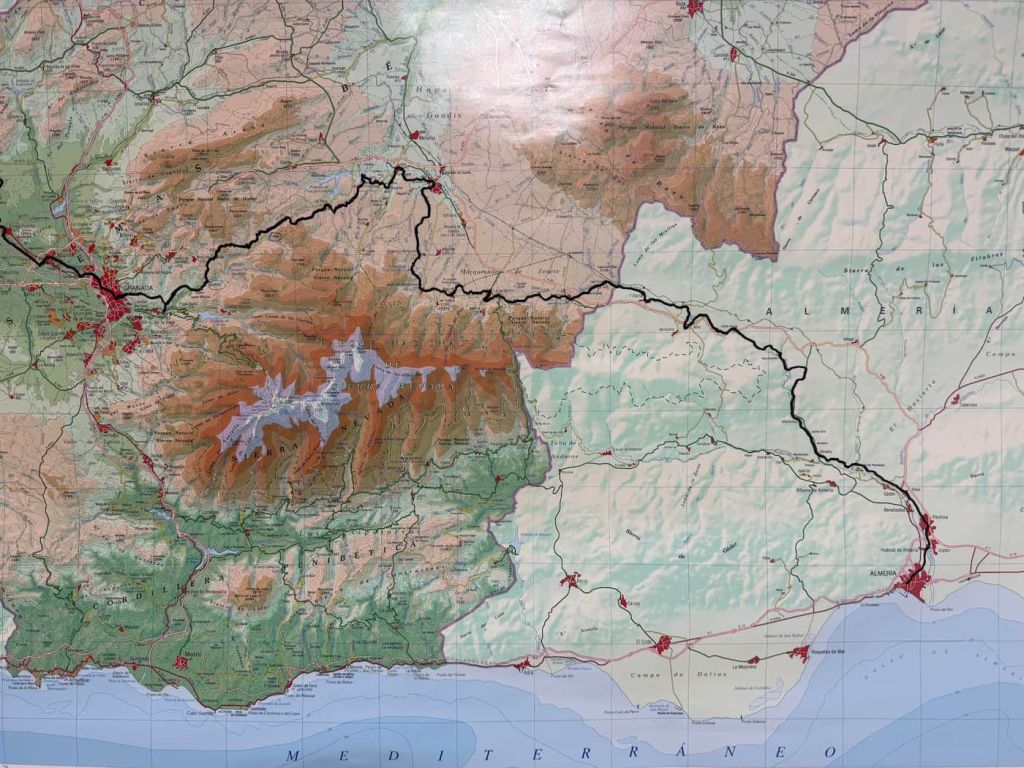
As the map above illustrates, this section of the Camino Mozárabe begins in Almería, Spain.
The easiest way to get to the starting point is to fly into Málaga and then hop on the two-hour bus ride to Almería.
Once arrived, you will need to purchase a pilgrim credencial (pilgrim passport) from the Oficina Municipal de Turismo. It costs €2. The friendly staff at the tourist information office will also provide you with additional information about the walk ahead.
It’s also highly recommended to contact the pilgrim association in Almería once you arrive because they can provide you with an up-to-date digital handbook for this camino route. They will also provide you with albergue door codes and be there for you if you require any assistance.
Their contact: https://www.facebook.com/CaminoMozarabeDesantiagodealmeriagranada
It’s recommended to download Gronze Maps for precise route navigation and to consult the Gronze website for detailed accommodation information: https://www.gronze.com/camino-mozarabe
Do keep in mind that the busiest times for this Camino walk are April-May and October-November.
The Stages
The stages are as follows:
- Almería – Roja (15.19 km)
- Roja – Alboloduy (23.24 km)
- Alboloduy – Abla (28.48 km)
- Abla – Huéneja (20.13 km)
- Huéneja – Alquife (18.56 km)
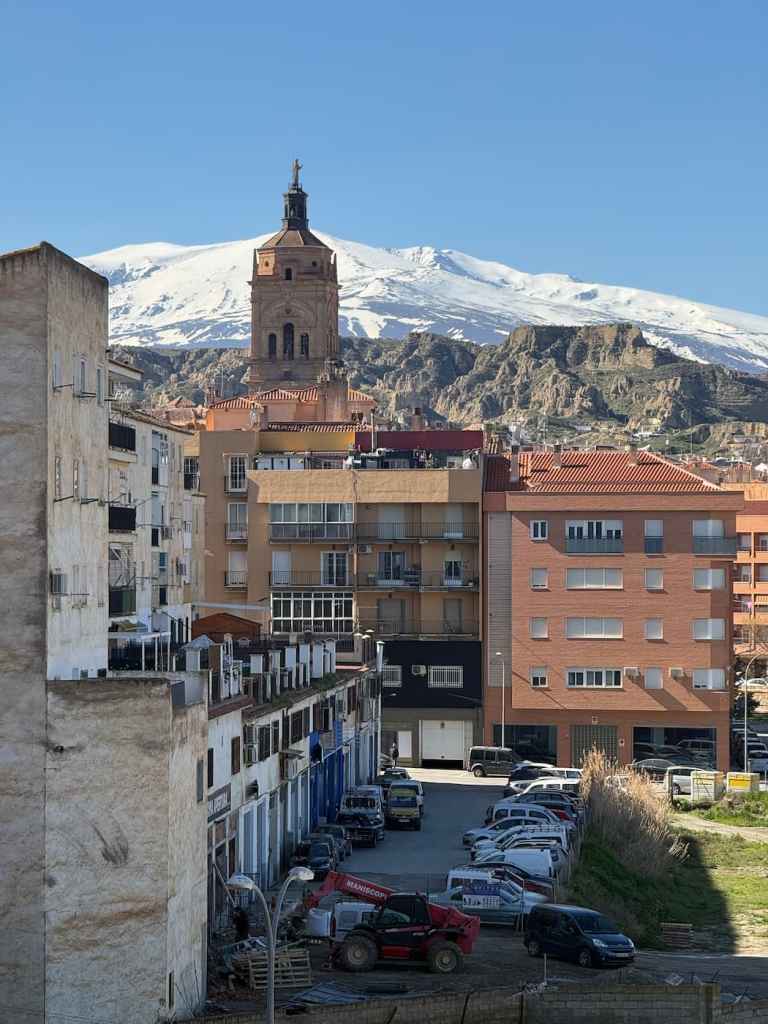
- Alquife – Guadix (22.32 km)
- Guadix – La Peza (22.56 km)
- La Peza – Quéntar (27.83 km)
- Quéntar – Granada (17.37 km)
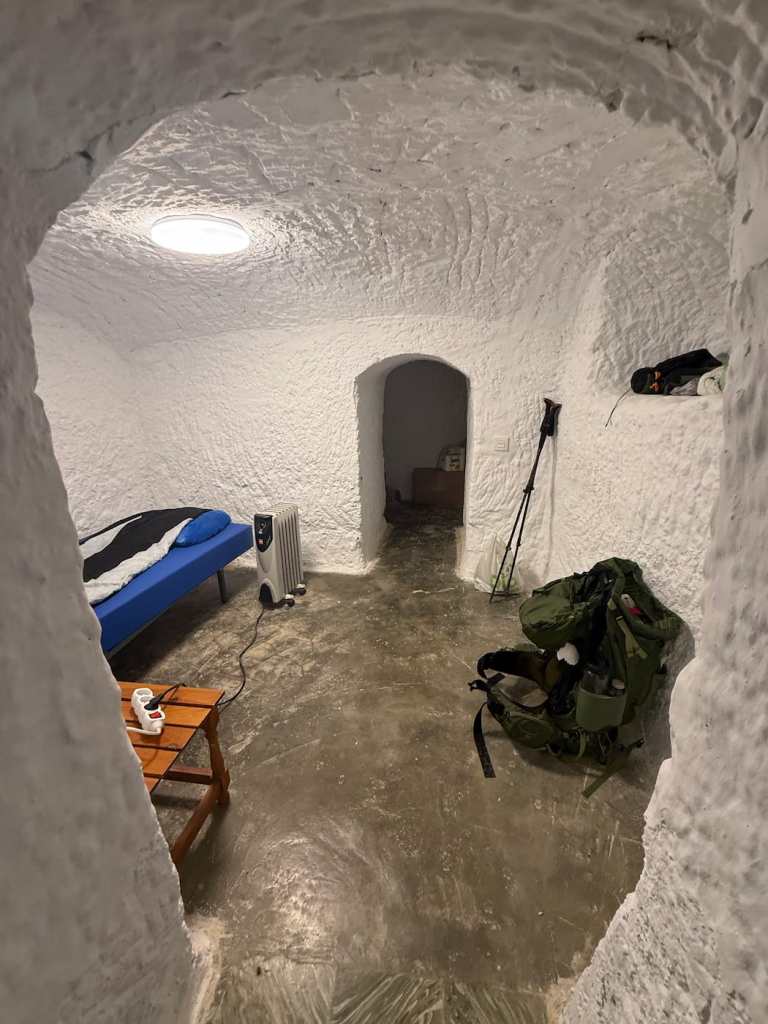
I split the third stage into two by staying two nights in Nacimiento (I had an online work emergency), and I shortened the stage after Guadix to spend the night in a traditional cave house in Marchal.
From my perspective, stages two and eight were the most challenging.
Accommodation
In Málaga, I stayed two nights in Hotel Goartín (Calle Gerona, 32), and I can fully recommend this accommodation.
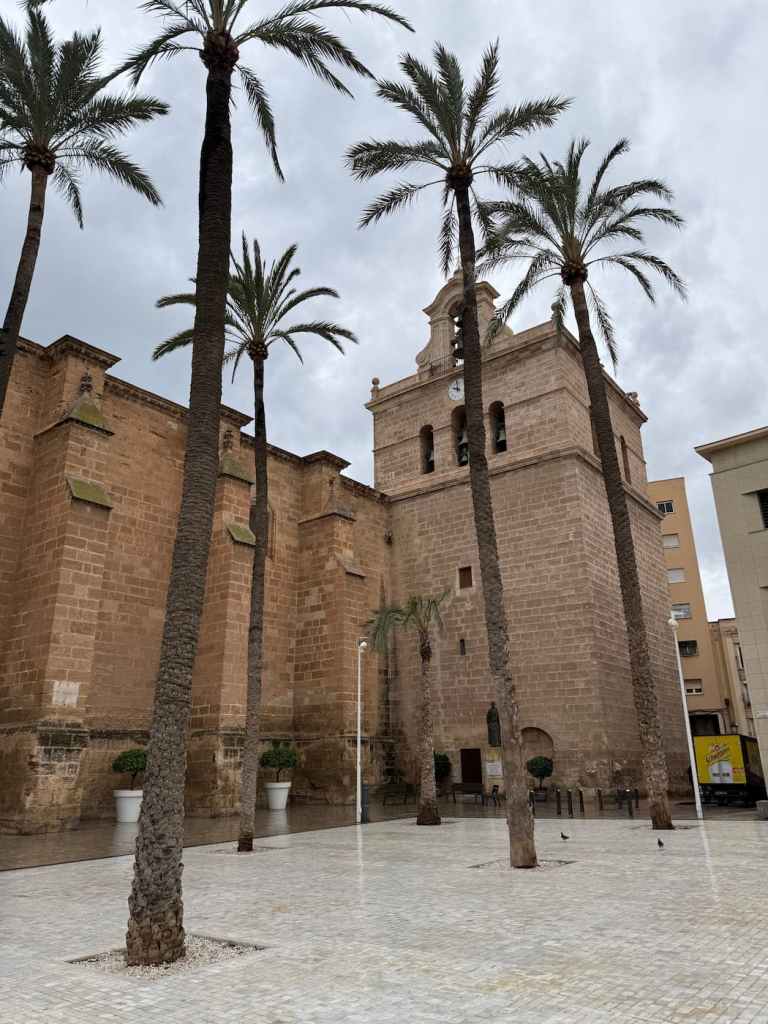
In Almería, I stayed at La Perla (Plaza del Carmen, 7), and it was OK.
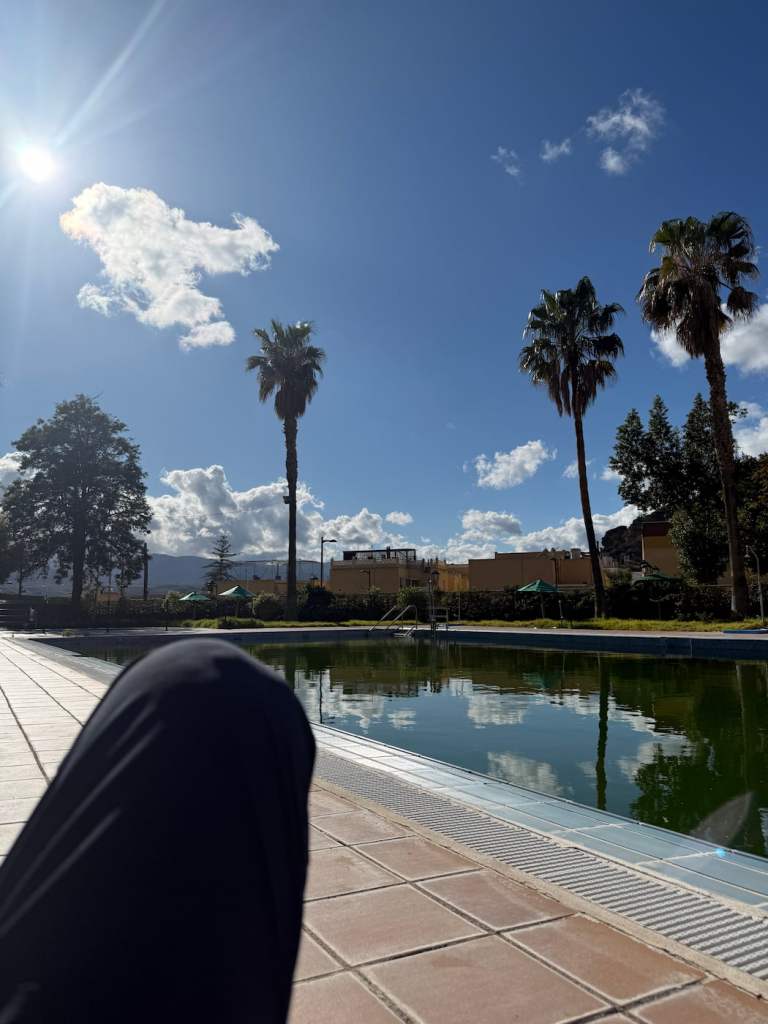
With regard to accommodation along the Camino route, there is a mix of donativos (by donation) albergues and private stays.
Albergues are low-cost, dormitory-style hostels designed specifically for pilgrims.
Some of the albergues have a hospitalera or hospitalero volunteering, and they cook an evening meal and prepare breakfast.
Other albergues don’t have volunteers on site, and for these, you will need the door code to enter.
I loved every albergue on this route, as well as every private accommodation option.
If I had to pick my favorite accommodations from this section of the walk, they would be:
- Nacimiento – Café Bar Centro Albergue – €18 – dormitory – https://www.gronze.com/andalucia/almeria/nacimiento/habitaciones-bar-centro
- Jérez del Marquesado – Casa Las Santeras – €20 – single room – https://casalassanteras.com/
- Guadix – Hotel Mulhacén – €39.40 – single room – https://www.hotelmulhacen.com
- Marchal – Cave House – donativo – dormitory – https://www.gronze.com/andalucia/granada/marchal/albergue-peregrinos-cueva-rubio
- Quéntar – Fundalucia Guesthouse – €18 – dormitory – https://fundalucia.com
- Granada – Casa de Espiritualidad de las Hermanas Comendadoras de Santiago – €25 – https://www.gronze.com/andalucia/granada/granada/casa-espiritualidad-hermanas-comendadoras-santiago
There wasn’t an accommodation option that I didn’t like.
The Route
When I arrived to Almería, I must admit that I wasn’t at the height of fitness. I had previously spent five weeks working online – laying in bed for most of it – and that first day was tough.
It took three days to regain by stamina and strength.
For the first few days, you’ll often find yourself walking along a dry riverbed. On the first day, I had to cross several wide streams, taking off and putting on my socks and shoes multiple times.
The second day was tough because that’s when you begin climbing, but the views looking back to the sea are mesmerizing.
On the third day, it’s recommended to follow the Camino that cyclists take because the walk along the riverbed and climb up the mountain leaving Alboloduy is pointless. You end up on the cycle route anyway after about a kilometer.
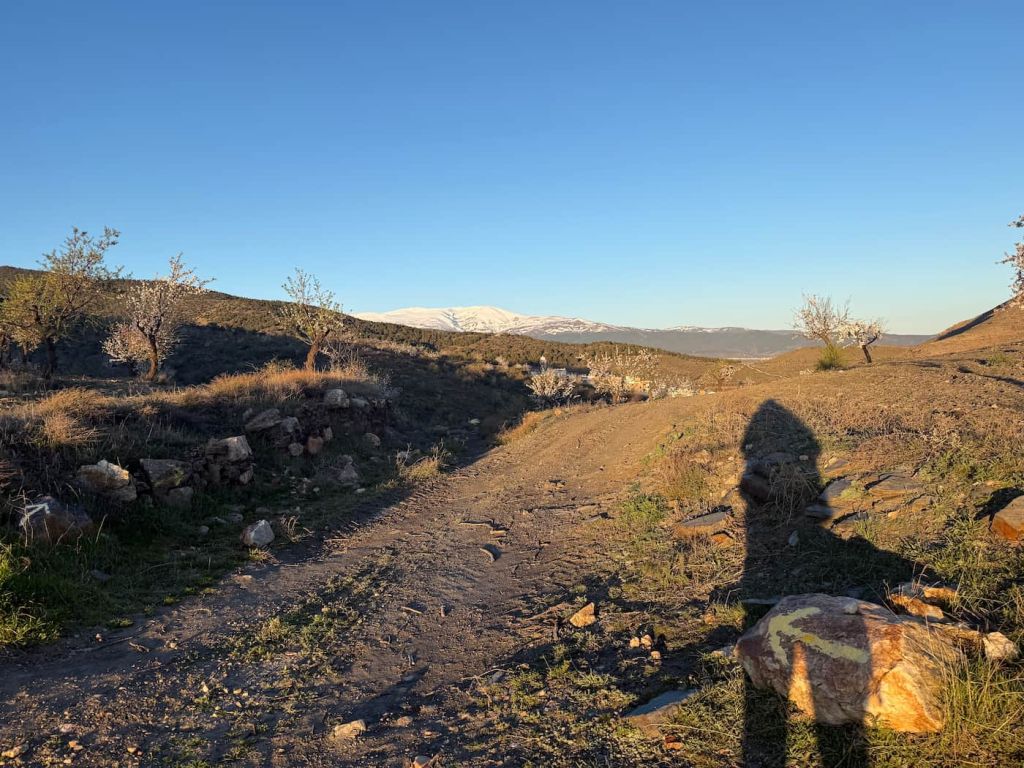
I loved all of the different terrains and landscapes, but, for me, I preferred the stages after Huéneja. From this stage onwards, you are walking closer to the Sierra Nevada and the views are simply stunning.
While there are some water fountains along the way, it is strongly advised that you carry a full water bottle with you.
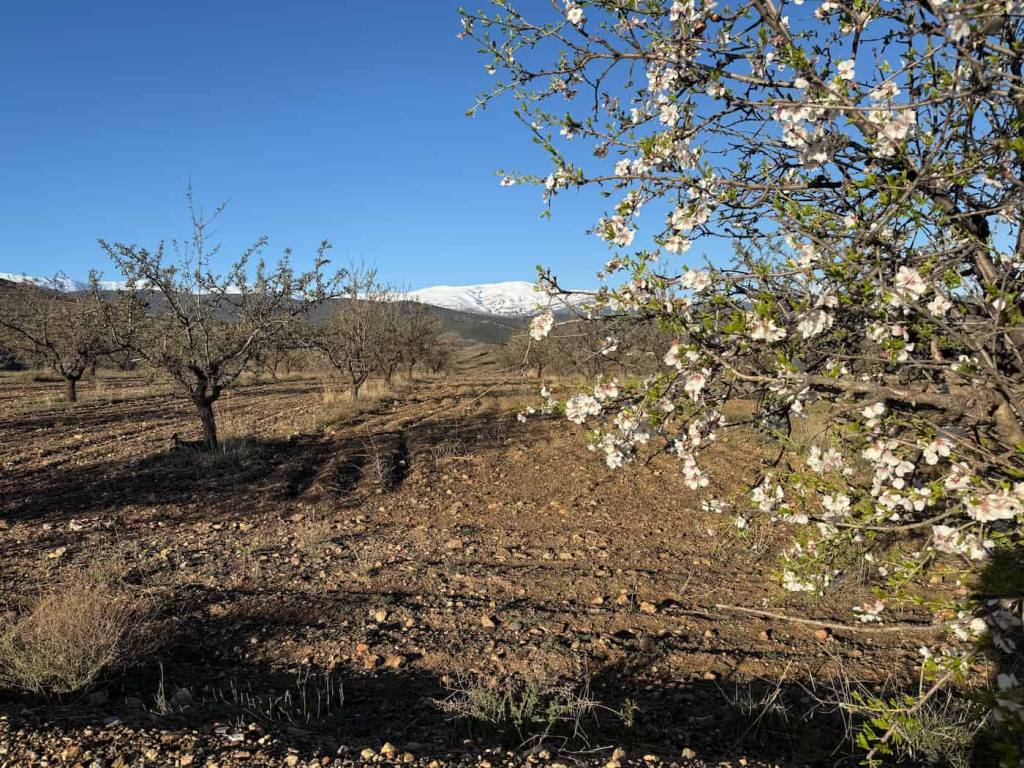
I’m happy that I completed this Camino in March because of the abundance of spring blossom and snow-topped mountains.
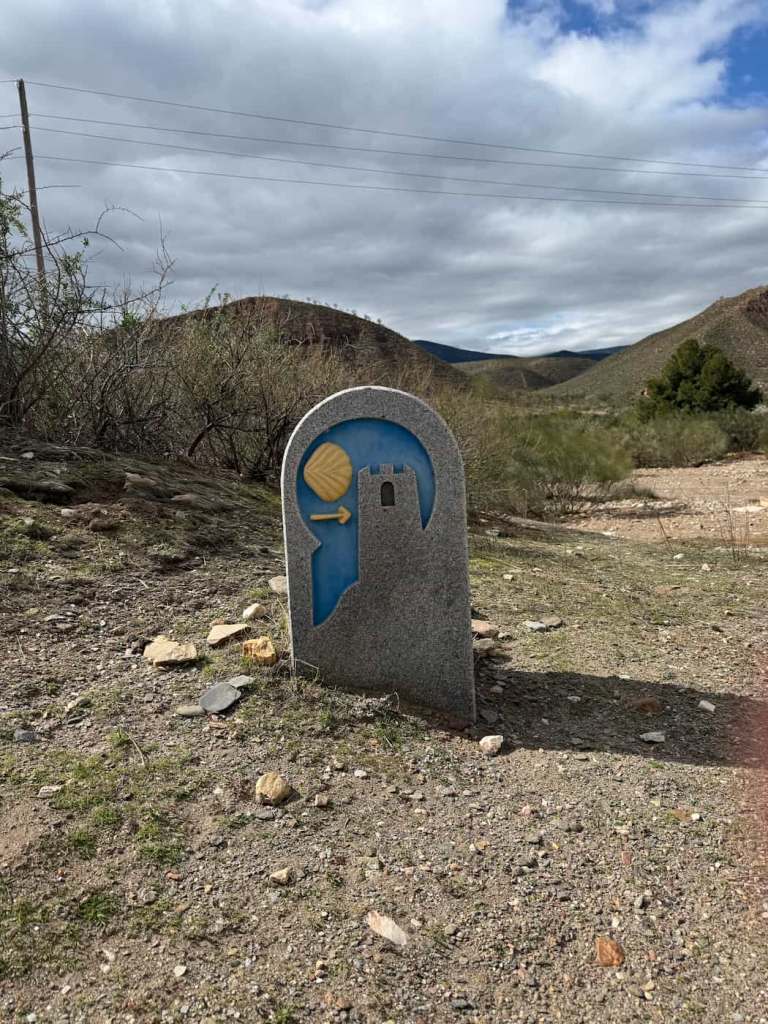
This Camino is incredibly well-signposted!
I even think it could be possible to complete it without the assistance of Gronze maps.
The work that the association has carried out in signposting this Camino is extraordinary, given its length and difficult terrain.
To guide you, there are yellow arrows and official Camino Mozárabe signage markers.
Because the Camino starts in Almería, at sea level, it’s a simple matter of calculating your altitude at any given place along the route.
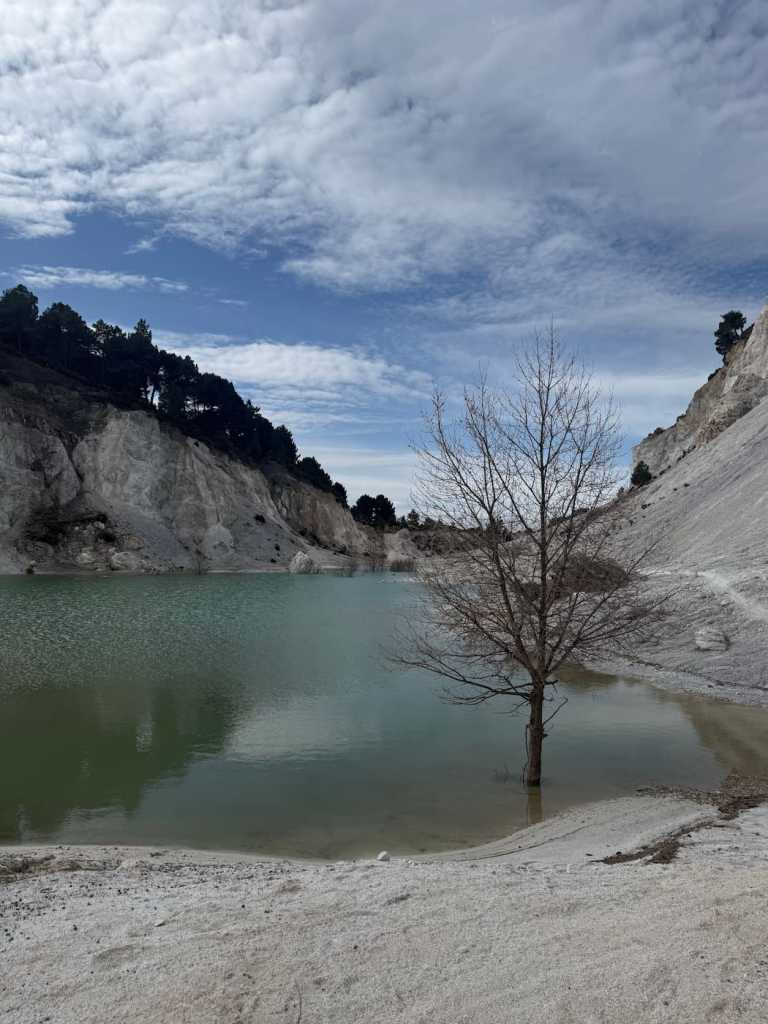
The highest point is Collado de Puerto Blanco, at 1, 420 meters.
And the relatively high elevation of this route is the reason why the two main walking seasons are in spring and fall.
You could walk it in winter, but I wouldn’t advise doing so in the heat of summer.
Highlights of the Camino Mozárabe
For me, the clear highlight of this Camino walk is the people.
Everyone has been amazing.
Because this Camino route isn’t as popular as others, the locals are not jaded by high pilgrim numbers and are, instead, extremely friendly and hospitable.
Perhaps, though, it is also true that the majority of locals in Andalucía are warm-hearted folk.
In addition, the whitewashed villages that pepper the landscapes are a pleasure for the eye to behold, and, what is to be expected in these latitudes, the weather on the whole tends to be sunny and warm.
Unlike other casinos I’ve walked, I never had the feeling that I was being charged a “pilgrim price” on this Camino.
Tapas reign supreme in these lands, in which you often receive a complimentary tasty snack to go with your beverage of choice.
Having live in the Czech Republic for so many years, I have become accustomed to identifying quality beer. And here in this region of Andalucía, Alhambra is the beer of choice – rich, with a slightly sweet malt flavor, with delicate floral and grainy notes that rest beautifully on the palate.
History is unveiled on the plates of food served in the local bars and restaurants – from spices to cooking techniques, the Moors’ legacy is deliciously present today.
And then, of course, there are the pilgrims who walk with you on this hidden gem of a Camino route. Nearly everyone I met had completed multiple Caminos and really knows the Camino way.
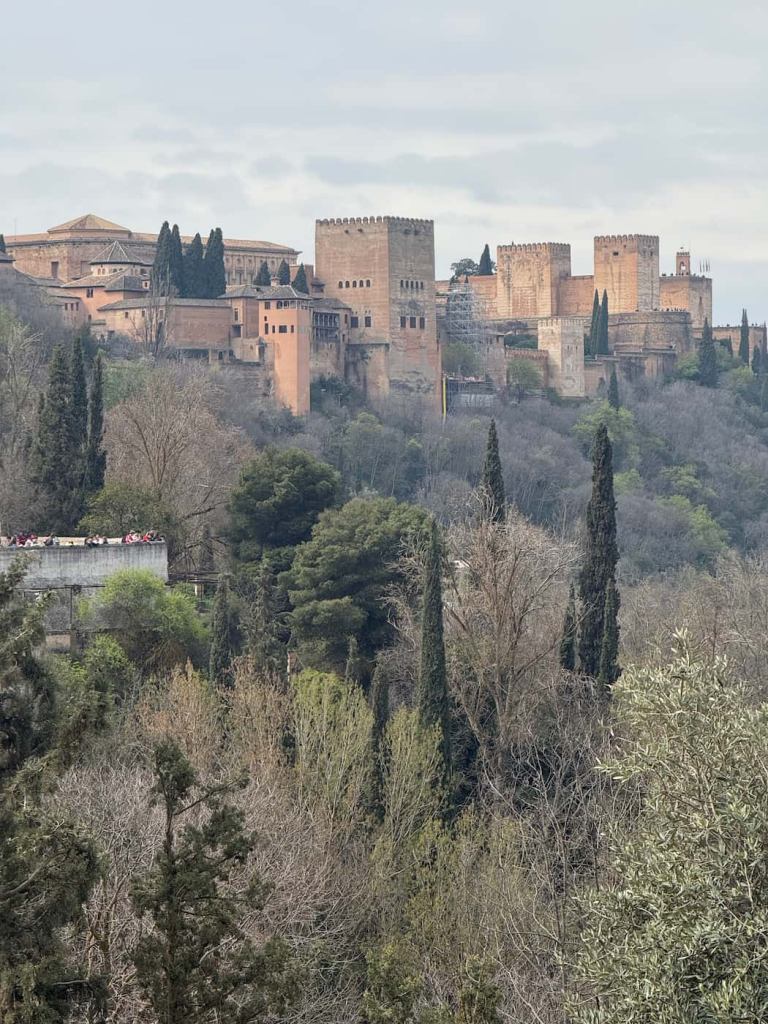
Unfortunately, it ends in Granada – a city I’m not particularly fond of – so now I’m excited to continue on to Córdoba.
More on Granada, from my perspective: https://nevilledavidthomas.com/2025/02/05/is-granada-really-worth-visiting/
Buen Camino!
This post contains NO AFFILIATE LINKS and as the author of this post, I earn nothing for recommendations I suggest in my posts on this website. Affiliate linking, when conducted correctly, can be a benefit for the reader and the author, but I choose not to make an additional income from places and products that I personally recommend from my own personal experience. I am not a fan of affiliate linking as, is often the case, an author promotes a business primarily for the financial incentive. Neville David Thomas.
Read more blog posts: https://nevilledavidthomas.com/blog/
Have you walked this section of the Camino Mozárabe de Santiago? Do you agree or disagree with any of the content that I have mentioned in this post? Do you have any additional information that you would like to share? Please leave a comment below!


 Neville David Thomas
Write a Comment!